Authors: Mario Mollo & Thais RussomanoMM: Physiotherapy student | TR: Director, InnovaSpace | BOTH: Lifelong Space Enthusiasts! Ever wondered what trees might look like if they grew on other celestial bodies?Would a tree taken to grow on a planet smaller than ours and with less gravitational force, such as Mars where gravity is one-third that of Earth (hypogravity), have branches and leaves that point upwards, away from the soil?  Photo – Thais Russomano, Hall Place & Gardens, Bexley, England, UK On the other hand, what if we took a tree to Jupiter, the biggest planet in the Solar System, where the force of gravity is 3.5 times that of Earth (hypergravity)? On this gigantic planet would tree leaves and branches be pulled downwards, unable to defeat gravity, perhaps looking more like the image below?  Photo – Thais Russomano, Hall Place & Gardens, Bexley, England, UK Photo – Thais Russomano, Hall Place & Gardens, Bexley, England, UK Or let’s consider a different scenario in which a tree is already native to a planet that has gravity bigger than on Earth – growing from a seed it would adapt straight away to the gravitational force of the planet, and perhaps grow differently. Do you think it might grow with a trunk that is thicker, larger, stronger, like the tree below?  Photo: Kjdhambuza, CC BY-SA 4.0 For the moment, however, until we can transport trees and plants to grow on other celestial bodies or perhaps even discover a planet where vegetation grows naturally, we will have to admire the trees that grow and are shaped by the gravitational force of our own planet Earth. These are the trees we have been lucky enough to grow up with, the usual ones that we are so accustomed to, the trees that we must take good care of and protect well, as they are things of beauty and so rare in our Solar System and beyond.  Photo: Greenwich Park in autumn - Thais Russomano Author: Lucas RehnbergNHS Doctor - Anaesthetics & Intensive Care | MSc Space Physiology & Health   My name is Lucas, I am a doctor in the UK working in anaesthetics (or Anaesthesiology for any American readers) and intensive care medicine. I have had an interest in space medicine for over 10 years now, inspired by none other than Prof Thais Russomano who has mentored me over the years and still does. My Master’s dissertation (back in 2009) focused on CPR (cardiopulmonary resuscitation) methods in microgravity, with my continued research interest surrounding critical care in space. I am careful to say that I am a doctor with an interest in space medicine and physiology, as opposed to a ‘Space Doctor’ – as there are many individuals out there who have committed many more years than I have to this field and are vastly more experienced than I am! A club I aspire to join one day. The idea of this blog, or series of blogs, is to look at some of the latest research in space physiology and space medicine, then consider how this will play out clinically. With a particular focus on critical care and potentially worst-case scenarios when in space (or microgravity environment). Something all doctors will have done in their careers; we are equipped with the skills to critically appraise papers and then ask if they are clinically relevant, or how will it change current practice. Over the last 60 (ish) years of human space flight, there is lots of evidence to show that there are many risks when the human body has prolonged exposure to microgravity, which can affect most body systems – eyes, brain, neuro-vestibular, psychological, heart, muscle, bone, kidneys, immune system, vasculature, clotting and even some that we haven’t fully figured out yet. But then what needs to be done is to tease out how clinically relevant are these from the research, how could that potentially play out if you were the doctor in space, then how to mitigate that risk and potentially treat it. 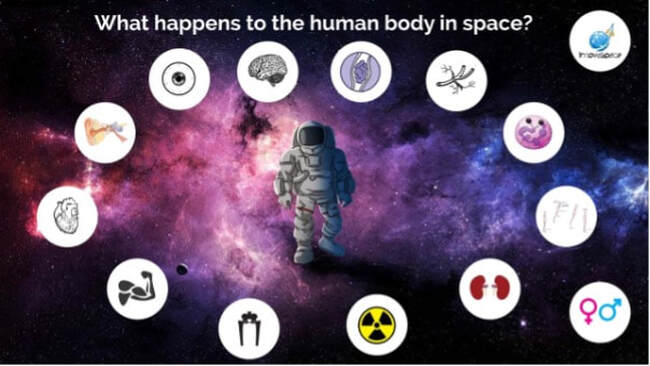 Author: Tobias Leach3rd Year Medical Student | University of Bristol | Passionate about space!  Space provides boundless opportunities for human existence and innumerable threats to human health. The question is, are we yet prepared to deal with a catastrophic event, such as a cardiac arrest in space? Abstract
Introduction To gain an understanding of the current state of CPR in microgravity with a focus on chest compressions in the event of a sudden cardiac arrest onboard. Methods An Ovid Medline search was conducted: 17 articles were found; 12 were excluded; six additional articles were found in the references of the remaining five articles, bringing the total number of articles included to 11. These were then critically analysed. Results No CPR method currently reaches the European Resuscitation Council (ERC) guidelines. The Handstand (HS) method appears to be the strongest. Evetts-Russomano (ER) is the second strongest method. Automatic chest compression device (ACCD) performed consistently well. Conclusion CPR appears to be far more difficult in microgravity. Inconsistencies in research methodology do not help. The ER method should be used as a first contact method and the HS method should be used once the casualty is restrained. An ACCD should be considered as part of the medical equipment. Further research is needed, directly comparing all positions under the same conditions. Author: Prof. K. GanapathyHon Distinguished Professor The Tamilnadu Dr MGR Medical University; Emeritus Professor, National Academy of Medical Sciences; Past President, Telemedicine Society of India & Neurological Society of India; Director Apollo Telemedicine Networking Foundation & Apollo Tele Health Services, India ABSTRACT: Introduction: Metaverse is the augmented virtual world formed by convergence of virtual and physical space. Users interact within this created world, meeting each other virtually, immersing themselves in performing virtual activities, which subsequently could lead to real experiences. Conventionally, the healthcare “industry” is conservative in deploying future ready technology. Aims and Objectives: This overview discusses the untapped potential of metaverse applications in healthcare from a clinician’s perspective. Bereft of technical jargon, the article points out the advantages, disadvantages, limitations, and challenges in actual deployment of the metaverse in clinical practice in the real world. The exponential transformation occurring in this area is highlighted. The highly technical literature is simplified for easier comprehension. Findings: Clinical applications, use of the metaverse in training, education, and augmenting telehealth consultations, in an immersive milieu, is discussed. Direct “in-person” interaction with digital products and solutions will be a new experience for a healthcare provider and the beneficiary. The role of digital twins is illustrated. Consultation process and various clinical applications in the metaverse are outlined. Technology‑enabled futuristic training and education is discussed. Conclusion: Demonstrating significant improvement in healthcare outcomes using the metaverse will be difficult to prove. This alone will ultimately lead to the development of a business model, insurance reimbursement and behavioral modification necessary for accepting and using, a hitherto unused method in patient care. Keywords: Augmented reality and healthcare, blockchain and healthcare, metaverse and healthcare, virtual reality and healthcare 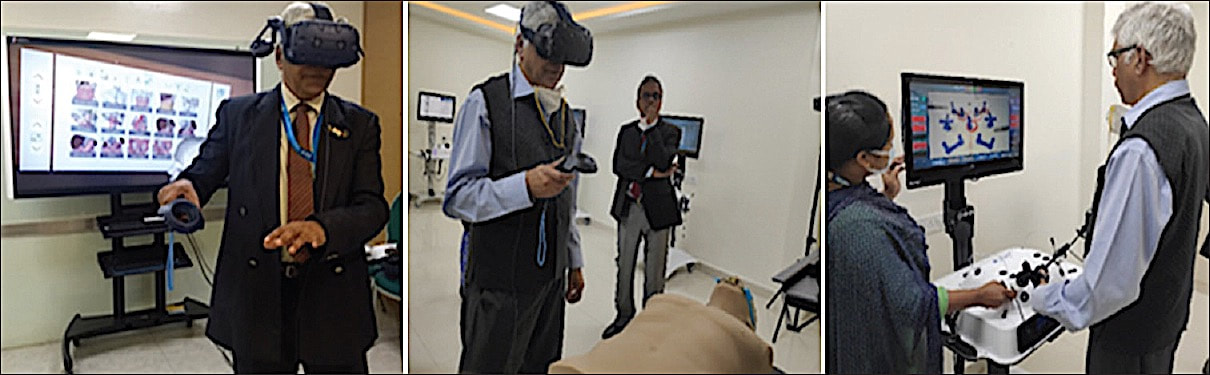 Images courtesy of Dr K Ganapathy The full article can be read and freely downloaded following this LINK
Author: Swapnil SinghUndergraduate: Astronomy Research & Mechanical Engineering - Astrophysicist of the future! The Future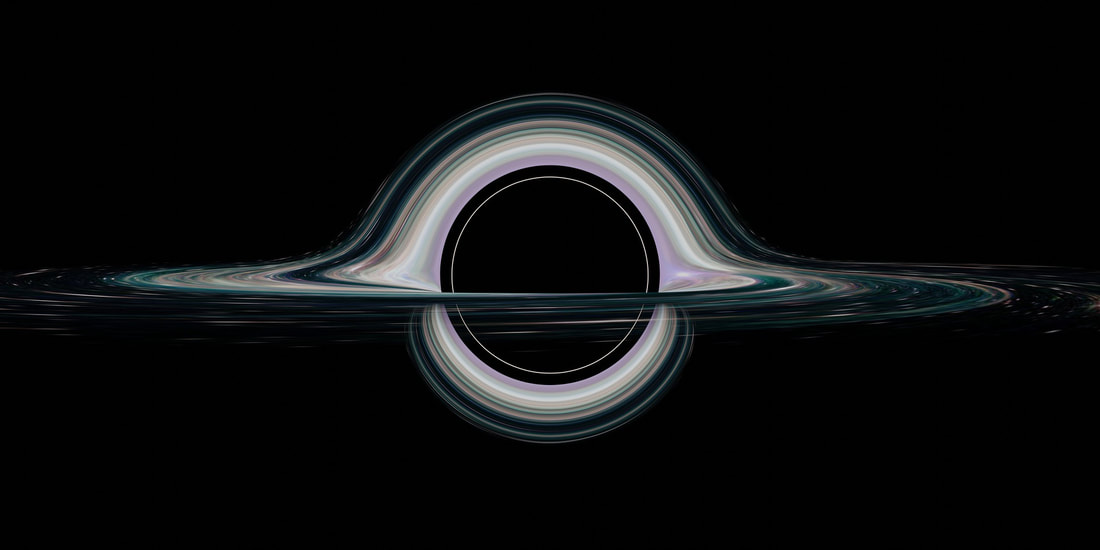
Black hole - Image: Pixabay/AlexAntropov86
The concept of time travel centres around the idea of movement between certain points in time, parallel to movement between different points in space. Yes, in theory at least, as general relativity does allow for a tunnel through space-time linking two distant points in time, which then form a circular time loop called a wormhole or Einstein-Rosen bridge. A black hole with its intense gravitational field could potentially provide a fantastic means to travel through time by getting close enough to its Event Horizon without being swallowed up. In principle, by maintaining this “safe” distance you could travel centuries into the future relative to outside observer. The Past
Image: Pixabay/Bessi
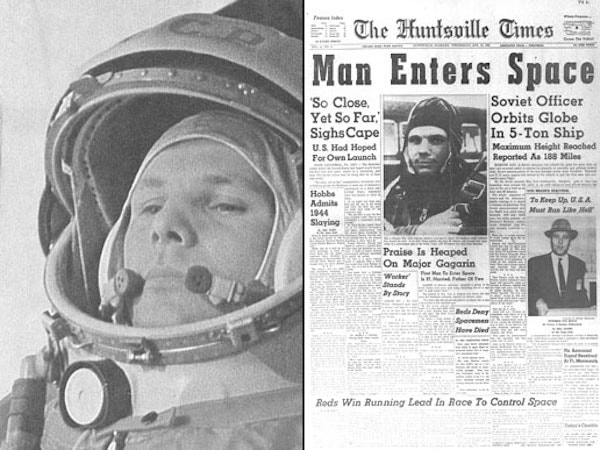
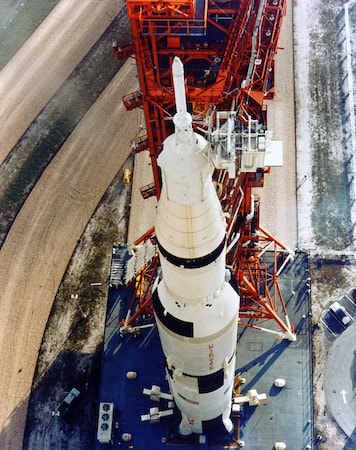
Light has a finite speed of 299,792,458 m/s. To travel any finite distance, it takes a finite amount of time. And hence, there is always a time lapse whenever light travels from any object to the observer's eyes. When you look at yourselves in the mirror (assuming you are 20 cm away from the mirror): you are actually looking at how you looked 1.33 nano seconds earlier i.e., you are looking 1.33 nano seconds into the past. For celestial objects, the distances are very large (in light years) and hence when we see the stars, we are actually seeing several years into the past. The stars we see today in the night sky might have even died thousands of years ago. Author: Paul Zilberman MDAnaesthesiologist, Israel MOTTO: I was born in 1960. As a child I was thrilled to witness the first man in space, as per stories, in those years a direct TV transmission was still a dream. And even if it had been possible, I was one year of age, so… But later on, I was able to see the launch of the Apollo missions and the common US-Soviet programs Soyuz- Apollo. As many other terrestrials I was thrilled to watch, both from distance and close up, those “white pencils” with the painting of “The United States of America” climbing faster and faster, leaving behind a huge ball of fire… Then the first carrying rocket segment detaching and falling back to Earth… I was amazed seeing how only after a short time those “people out there” were floating and smiling, waving their hands and telling us everything is ok. I was reading about the many experiments that were carried out during the flights, I was even able to look now and then at the flight path, little understanding what were the sinusoidal lines appearing on the huge Command Center screen, where so many people were sitting in front of the computers with the microphones and earpieces connected. I didn’t understand then, exactly, why so many people were dealing with so few in space.
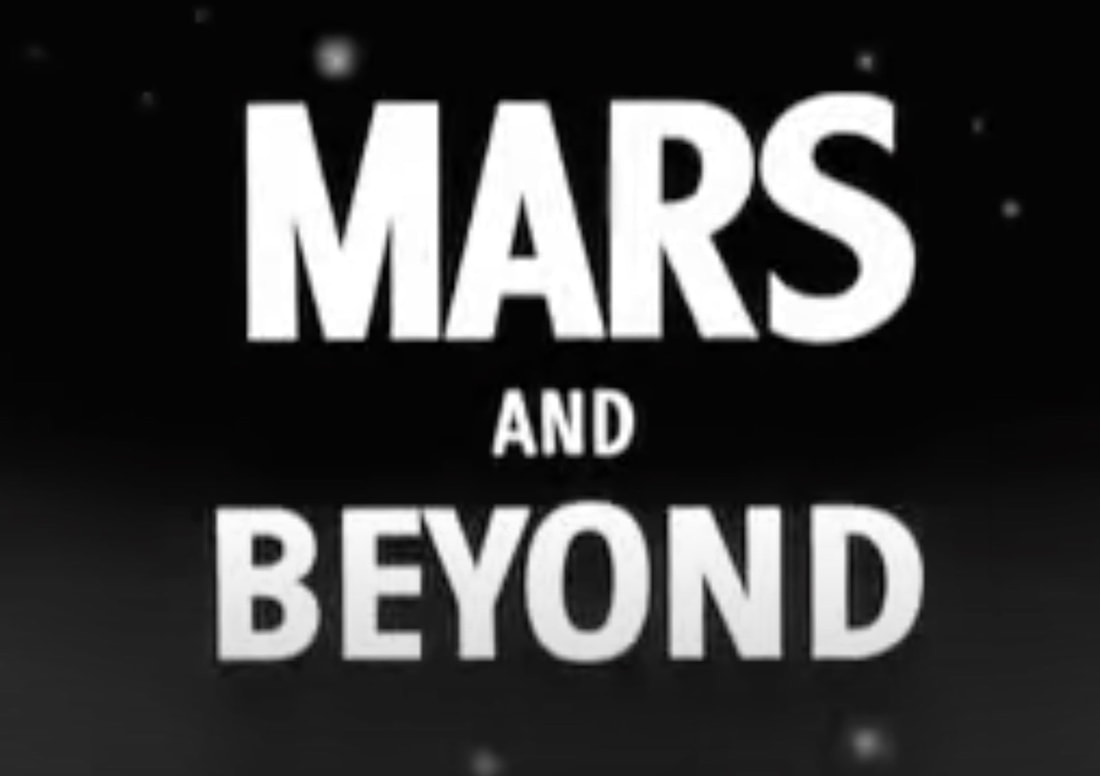
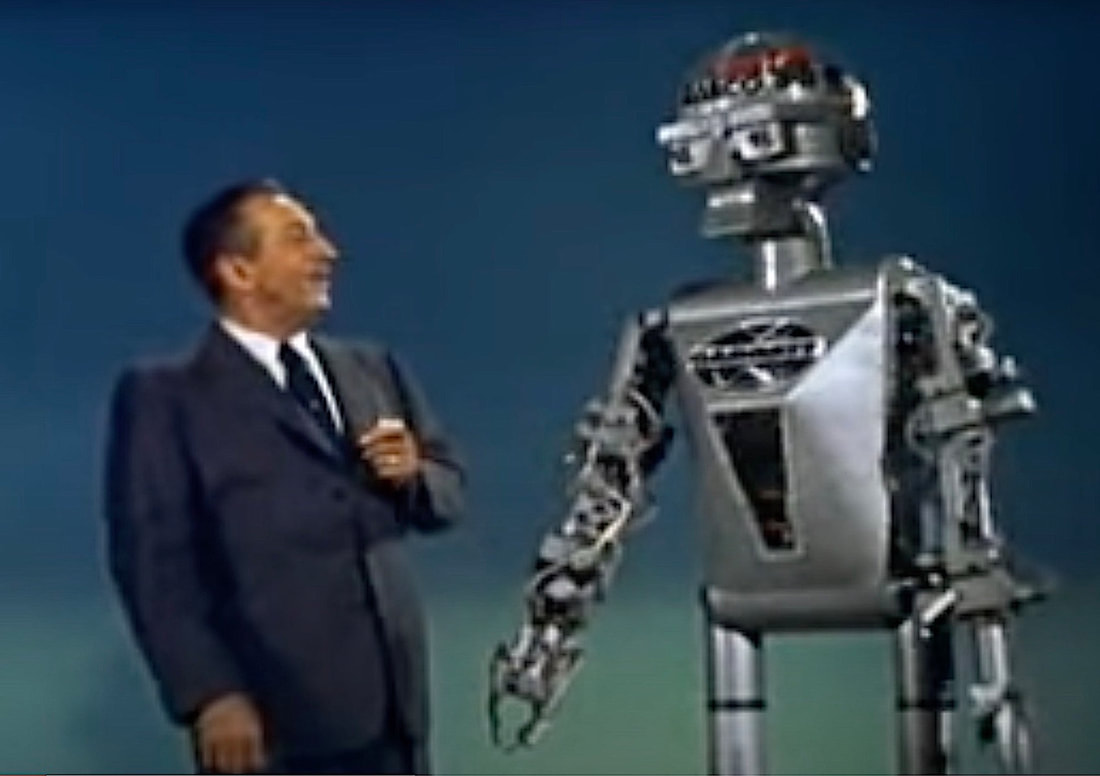
Well, time went on, Skylab appeared, then the ISS, the shuttles…wow…all in a lifetime. As time went on and understanding grew, on top of my medical school and, later on, anaesthesia residency, other questions arose: how do the astronauts eat, drink, wash, use the toilets? And many other daily mundane things we take for granted down here. Author: Rohan KrishnanUndergraduate, Bachelor of Science - Statistics & Healthcare Management | The Wharton School, University of Pennsylvania In 1955, Walt Disney’s “Mars and Beyond” pondered human survival in extraterrestrial environments. The narrator envisions the colonisation of Mars as a feasible reality: a future where cities are encased in pressurised domes on the Red Planet to combat overpopulation and the depletion of natural resources on Earth.
Today, NASA’s Artemis Mission plans to return astronauts to the moon by 2025, this time with an eye toward lunar colonization and human exploration of Mars. The boundaries that once constrained human space exploration are shattering, as technological advancements and ambitious government space programs bring plans for travel to Mars closer to reality. Beyond government space agencies, private companies like Blue Origin and SpaceX are innovating to create faster, more efficient aircraft and bring space travel to the masses through commercial flights. As astronauts inch toward deep space missions, understanding the general health risks of long-distance space travel, as well as the varied conditions between environments, is crucial. Missions to the International Space Station (ISS) and in low Earth orbit (LEO) have uncovered a variety of consequences for astronaut health, including bone loss, muscle atrophy, and a weakened immune system, amongst others. Radiation, microgravity, the distance from Earth, isolation, and the hostile environment inside spacecraft are the root causes behind the health issues that astronauts experience in space. Space exploration is vital for advancing life on Earth. Future missions across our solar system can help us understand the effects of microgravity and radiation on biological systems, locate valuable natural resources, and even combat overpopulation by exploring space colonisation. Given this need, ensuring the health of humans in space is the bedrock for further discovery. 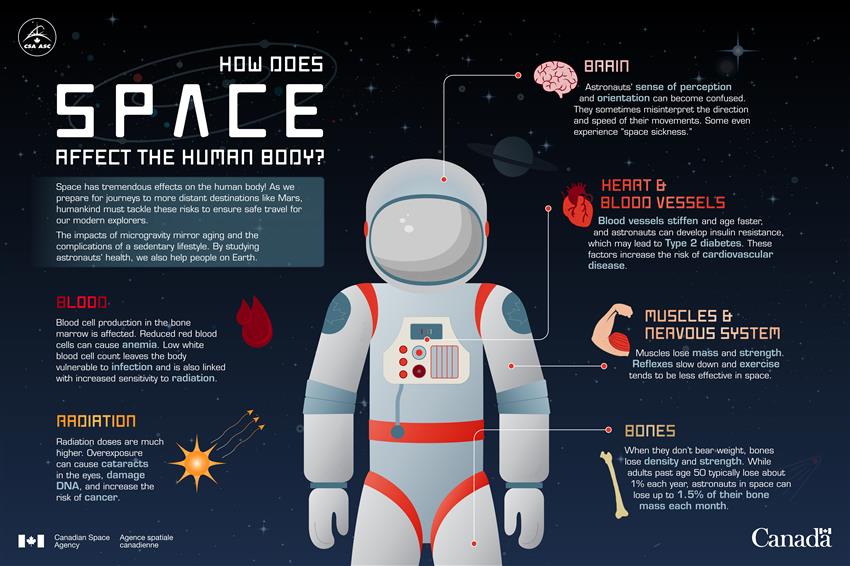 How space affects the human body – Infographic. (Credit: Canadian Space Agency) In this blog, I will describe the significant health challenges associated with with spending time in LEO and on long-distance spaceflight to the Moon and Mars. I have narrowed the focus to the following branches of medicine, to outline and contrast the particular health issues between LEO and long-distance spaceflight: cardiology, ophthalmology, and neurology. Many of the health concerns associated with time spent in LEO persist during long-distance space travel, but there are also challenges specific to the Moon and Mars stemming from their unique environmental characteristics, such as the presence of regolith and varying radiation levels. Understanding these general and environment-specific health concerns will inform planning as we venture deeper into space. The vast majority of human spaceflight has occurred within low Earth orbit (LEO), with the notable exception of the Apollo program’s lunar missions. All manned space stations, including the ISS, are in LEO. As a result, for more than two decades, countless experiments have been conducted on the ISS to understand how astronauts’ health is impacted in LEO.

CardiologyResearchers studying the health of astronauts aboard the ISS have uncovered that long-term travel in LEO has notable effects on astronauts’ cardiovascular health. According to Dr. Thais Russomano, a leading expert on space medicine, the absence of Earth’s gravitational force in space causes bodily fluids and blood to shift from the legs and lower abdomen toward the upper torso and head. This phenomenon - referred to as ‘puffy-face and bird-legs syndrome’ - causes swelling in the face and head while reducing astronauts’ circulating blood volume and heart size. As less blood is pumped by the heart in microgravity, astronauts endure muscle loss in the heart, placing them at risk for cardiovascular deconditioning and cardiac myocyte atrophy.
Radiation is another significant concern impacting astronauts’ cardiovascular health. Aboard the ISS, radiation from galactic cosmic rays, solar cosmic rays, and particles from the Van Allen radiation belts are of primary concern. Astronauts are exposed to roughly 40-times more millisieverts of radiation compared to people on Earth. Exposure to space radiation over long-term missions increases astronauts’ risk for cancer and cardiovascular diseases, although effective shielding and radiation shelters aboard spacecraft have helped mitigate those risks. Cardiovascular issues resulting from microgravity and radiation exposure over long periods aboard the ISS can follow astronauts well after returning to Earth. Some studies have determined that astronauts’ arterial blood pressure decreased throughout space missions due to the loss in circulating blood volume, although there could be many causes behind this change. Similarly, the reduction in circulating blood volume can cause orthostatic intolerance - the inability to stand due to lightheadedness or fainting - once astronauts return to Earth. Although radiation exposure and microgravity cause cardiovascular problems in space, studies on astronaut mortality have concluded that astronauts are at a lower risk of death from cardiovascular diseases relative to the general population on Earth. OphthalmologyThe effects of bodily fluid shifting in microgravity extend beyond ‘puffy-face and bird-legs syndrome’, with consequences for the eyes. Following a six-month mission to the ISS in 2005, astronaut John Phillips’s perfect vision was found to have deteriorated due to spaceflight-associated neuro-ocular syndrome (SANS). SANS is formerly known as visual impairment and intracranial pressure (VIIP) syndrome, although the name was updated to reflect the uncertainty over whether increased intracranial pressure is the sole cause of the condition. One explanation is that SANS is caused by cerebrospinal fluid shifting toward the head, increasing intracranial pressure, particularly at eye level. The pressure causes the back of the eye to flatten, resulting in a hyperopic shift and blurred vision.
According to a report from the British Journal of Anaesthesia, a questionnaire of 300 astronauts found that 28% of short-duration mission astronauts and 60% of long-duration mission astronauts experienced degradation of visual acuity. A study of seven long-duration mission ISS astronauts and nine short-duration mission space shuttle astronauts found that the long-duration astronauts had significantly greater post-flight flattening when compared with the short-duration astronauts. Given the increased severity of SANS on long-duration missions, understanding causes and possible treatments are vital for exploration in and beyond LEO. NeurologyMicrogravity has notable effects on the nervous system, particularly due to the redistribution of bodily fluids in space. Neuroimaging scans show that astronauts’ brains have increased ventricular volumes following long-distance spaceflight. As fluids shift toward the upper torso and head during long-term exposure to microgravity, the volume of cerebrospinal fluid collected in the brain’s ventricles increases, resulting in ventricular expansion. Ventricular expansion could be a possible cause of SANS and may be linked to premature ageing of the brain. One study found that astronauts who spent 12 months in space displayed larger changes in ventricular volume than astronauts who spent 6 months in space, suggesting important implications for long-duration space missions. The microgravity-induced fluid shift is also associated with alterations to white matter in astronauts’ brains. A study from the journal Science Advances reports that cosmonauts displayed increased white matter in the cerebellum following long-duration spaceflight, with white matter volume returning to roughly pre-flight levels seven months after spaceflight. The cerebellum handles fine motor control, postural balance, and oculomotor control, and white matter changes associated with spaceflight may offer evidence for motor system neuroplasticity. Various studies are employing different techniques to evaluate white matter changes due to spaceflight, which could affect other neurological functions including visual and sensory processing. The health issues associated with LEO are also relevant for long-distance space travel. However, there are also environment-specific challenges unique to the Moon and Mars - such as high levels of space radiation and varying magnitudes of microgravity - that will be of primary concern to astronauts. Various studies simulate deep space environments to predict the effects of long-distance spaceflight on human health, informing mitigation strategies to keep astronauts safe.
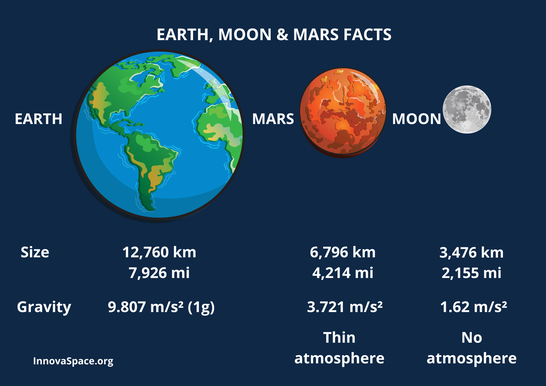
CardiologyIn deep space, the microgravity environment induces similar cardiovascular effects to what astronauts experience in LEO. Blood and bodily fluids shift toward the upper torso and head resulting in ‘puffy-face and bird-legs syndrome’, while the decreased cardiac workload can lead to cardiovascular deconditioning. However, relative to the gravitational force in LEO of approximately 0.95g, the Moon’s gravitational force is 0.16g while Mars’ gravitational force is 0.36g. It is unclear whether varied microgravity conditions will produce additional cardiovascular effects beyond those studied in LEO, however, fluid shifts and cardiovascular deconditioning remain significant concerns.
Radiation-induced cardiovascular disease is another major challenge with traveling to the Moon and Mars. Compared to missions in LEO, the space radiation environment beyond LEO exposes astronauts to higher dose rates of HZE particles, the high-energy heavy ions of galactic cosmic rays. HZE particles are highly penetrating and can cause secondary radiation when interacting with shielding in spacecraft or spacesuits. According to the journal Frontiers in Cardiovascular Medicine, high doses of HZE particles over long-term deep space missions can lead to myocardial remodelling and fibrosis, potentially resulting in heart failure. While current shielding technology may protect astronauts in LEO, the power of HZE radiation makes more advanced shielding essential to protect astronauts in deep space. OphthalmologyConsidering the microgravity-induced fluid shifts that astronauts experience in deep space, SANS remains a primary concern for missions to the Moon and Mars. SANS is typically studied on long-duration missions, although astronauts have reported blurred vision after only two weeks aboard the ISS. A mission to Mars would take up to 20 months and would require astronauts to encounter multiple gravity fields. The long duration and complex gravity shifts associated with deep space missions could cause more challenging SANS-related ocular issues compared to those faced by astronauts in LEO. The concerns surrounding radiation beyond LEO extend to ocular health. Galactic cosmic radiation has been linked to the development of phosphenes and cataracts, while studies show that repetitive spaceflights and high-radiation-dose exposure increase the prevalence of both conditions among astronauts. Considering the high volume of HZE radiation that deep space astronauts will be exposed to, the development of phosphenes and cataracts is of major concern for their ocular health.
NeurologyPrevious studies have sought to evaluate the effects of space radiation on the human brain by delivering radiation doses to rodents over a few minutes. However, on missions to the Moon and Mars, powerful radiation will be gradually delivered to astronauts for the duration of the trip, ranging from weeks to years. A 2019 study from the journal eNeuro aims to more accurately simulate long-duration exposure by delivering low-level neutron radiation to mice for six months and evaluating the neurological implications. The study finds that exposure to cosmic rays impairs the brain function of the mice, affecting learning, memory, and mood. Lab tests reveal that following the neutron radiation, neurons are less responsive in the hippocampus - an area critical for the formation of memories and spatial navigation - and the medial prefrontal cortex - an area responsible for accessing preexisting memories, decision-making, and processing social information. Follow-up evaluations of the irradiated mice determine that neural circuitry damage may last for up to one year. Some researchers dispute the study’s approach, claiming that neutron radiation used in the experiment is not a viable surrogate for the galactic cosmic radiation that astronauts would encounter during deep space missions. Still, the eNeuro study offers a novel analogue to the gradual doses of powerful space radiation that astronauts would face on missions to the Moon and Mars, further emphasising the importance of effective shielding from cosmic rays. Researchers are also studying how microglia - the immune cells of the central nervous system - can be manipulated to prevent the development of cognitive deficits due to galactic cosmic ray exposure, a promising step toward protecting astronauts on deep space missions.  ConclusionMotivated government leaders and entrepreneurs alike have expressed their commitment to bringing the human race beyond low Earth orbit. As breakthroughs in deep space research and aerospace technology bring this goal closer to realisation, concomitant advancements in space medicine must be made to safeguard astronauts’ health as they travel to and thrive in extraterrestrial environments. Before we can walk on Mars, our first step must be understanding and mitigating the health challenges that await us deeper into the final frontier. Author: Swapnil SinghUndergraduate: Astronomy Research & Mechanical Engineering - Astrophysicist of the future! In the beginning, nearly fourteen billion years ago, all the space and all the matter and all the energy of the known universe was contained in a volume which is infinitely small. At that time, conditions were so hot, the basic forces of nature that collectively describe the universe were unified. This extremely dense point exploded with unimaginable force, creating matter and propelling it outward to make the billions of galaxies of our vast universe. Astrophysicists dubbed this titanic explosion as the Big Bang. 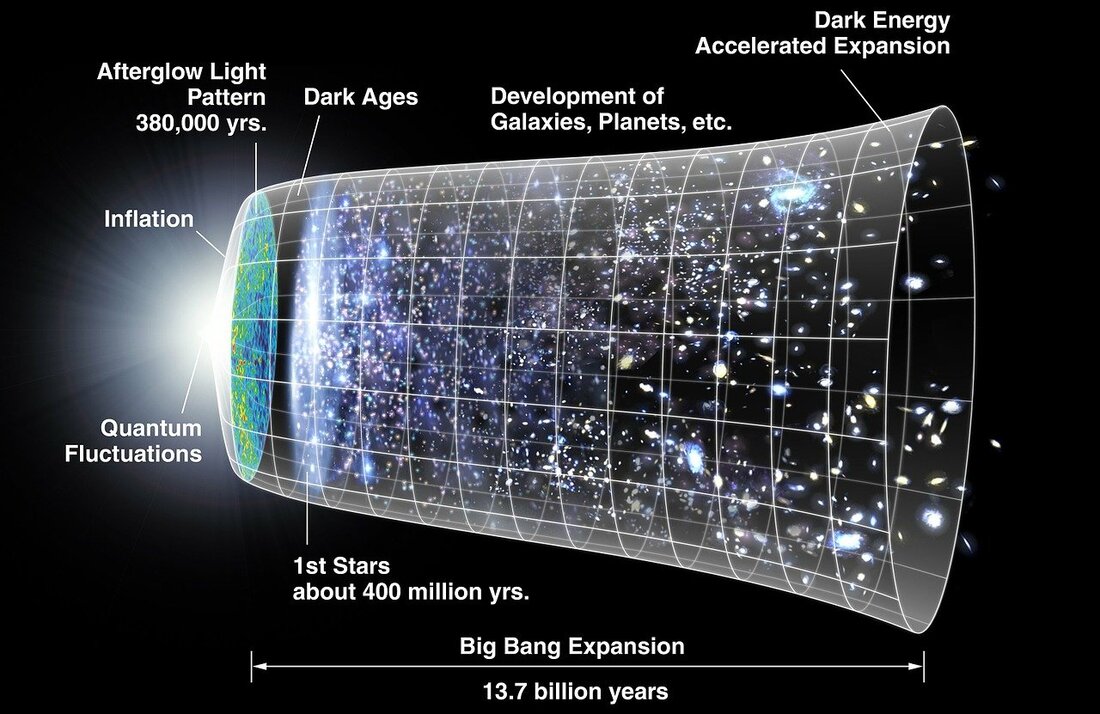 `Image credit: WikiImages/Pixabay In Big Bang cosmology, the Planck epoch or Planck era is the earliest stage immediately after the Big Bang, before the time passed was equal to the Planck time is approximately 10−43 seconds (one ten-million-trillion-trillion-trillionths of a second). As the universe aged through seconds it continued to expand, diluting all concentrations of energy, and what remained of the unified forces split into the “electroweak” and the “strong nuclear” forces. Later still, the electroweak force split into the electromagnetic and the “weak nuclear” forces, laying bare the four distinct forces we have come to know: with the weak force controlling radioactive decay, the strong force binding the atomic nucleus, the electromagnetic force binding molecules, and gravity binding bulk matter. 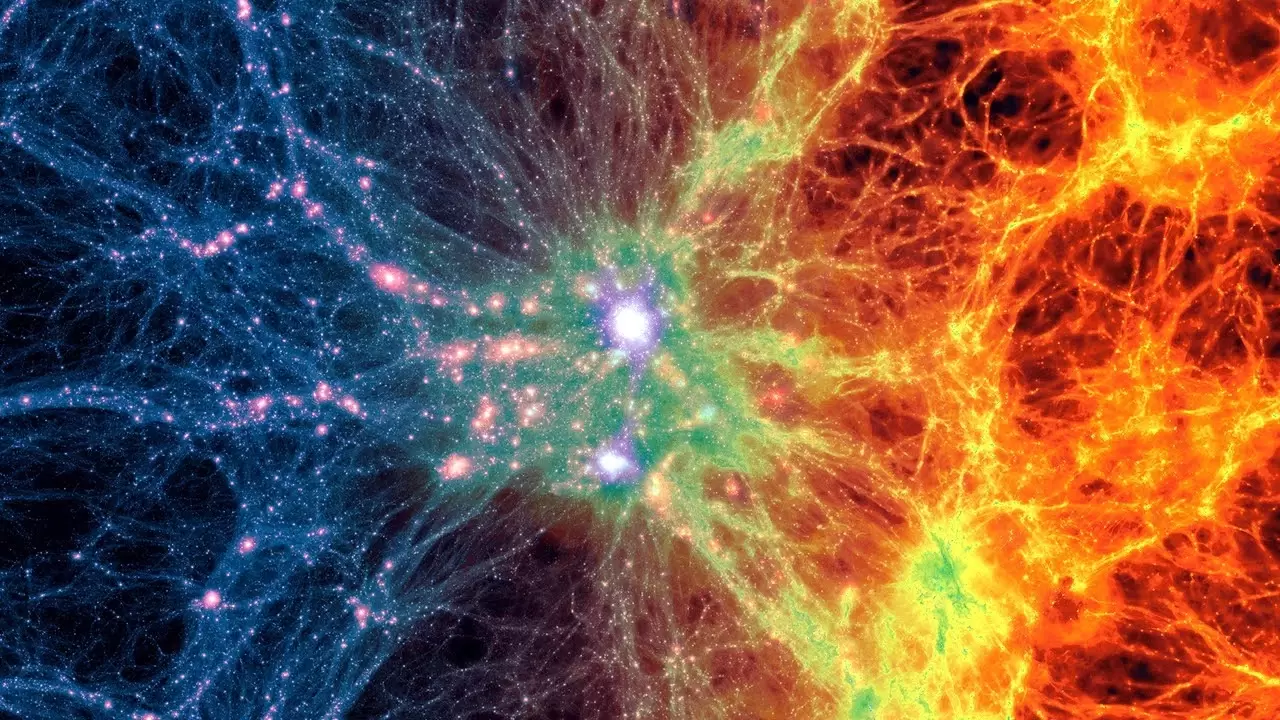 Image credit: Shutterstock One of the force splits in the early universe was accompanied with an asymmetry in which particles of matter outnumbered particles of antimatter, thanks to this asymmetry. Without the imbalance between matter and antimatter, all mass in the universe would have self-annihilated, leaving a cosmos made of photons and nothing else. All of this was happening with the interplay of matter, which includes subatomic particles and energy in the form of photons. This era of the universe is called the quark–lepton era. The universe was hot enough for these photons to spontaneously convert their energy into matter-antimatter particle pairs, which immediately thereafter annihilate, returning their energy back to photons. At this particular time the universe was a seething soup of quarks, leptons, and their antimatter siblings, along with bosons, the particles that enable their interactions. None of these particle families is thought to be divisible into anything smaller or more basic.  Image credit: Shutterstock As the cosmos continued to expand and cool, growing larger than the size of our solar system, the temperature dropped rapidly below a trillion degrees Kelvin. This universe was no longer hot enough or dense enough to cook quarks, and so they all collided with each other, creating a permanent new family of heavy particles called hadrons. As the universe continued to cool, the amount of energy available for the spontaneous creation of basic particles dropped. By now, one second of time has passed. The universe has grown to a few light-years across, about the distance from the Sun to its closest neighbouring stars. At a billion degrees, it is still hot and still able to cook electrons and positron counterparts. As the cosmos continues to cool protons fuse with protons as well as with neutrons, forming atomic nuclei and creating a universe in which ninety percent of these nuclei are hydrogen and ten percent are helium. In this particle soup the temperature remains hot enough for electrons to roam free but this freedom comes to an abrupt end when the temperature of the universe falls further and all the free electrons combine with nuclei. The marriage leaves behind a holy bath of visible light, forever imprinting the sky with a record of where all the matter was in that moment, and completing the formation of particles and atoms in the primordial universe.  Image credit: Shutterstock For the first billion years, the universe continued to expand and cool as matter gravitated into the massive concentrations, we call galaxies. Nearly a hundred billion of them formed, each containing hundreds of billions of stars that undergo thermonuclear fusion in their cores. Those stars with more than about ten times the mass of the Sun achieve sufficient pressure and temperature in their cores to manufacture dozens of elements heavier than hydrogen, including those that compose planets and whatever life may thrive upon them. Thus, the evolution continues... This blog is promoted and supported by the Space Crew Working Group  Author: Thais RussomanoInnovaSpace Co-Founder & CEO; International Expert in Space Science as it relates to Humans Thirteen billion years ago, a picture of deep space, when the Universe was formed. 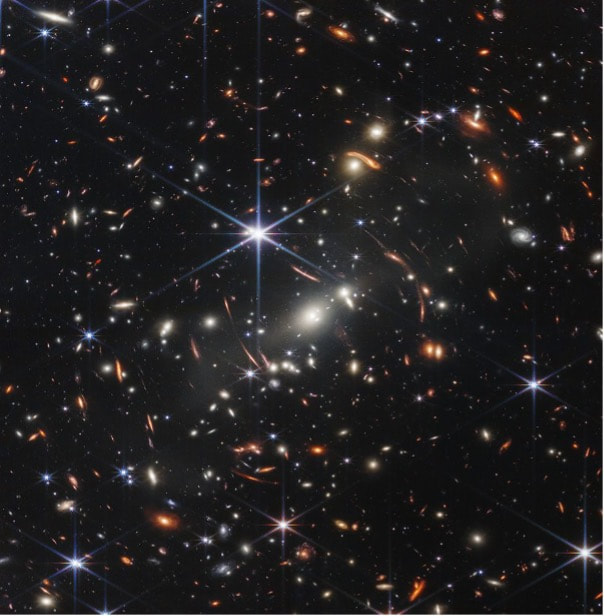 SMACS 0723: Red arcs in the image trace light from galaxies in the very early Universe (13.8 billion years ago) - Image credit: NASA/ESA/CSA/STSCI Thirteen hundreds, precisely in 1341, Penshurst Place (Kent, UK) was built and started its own history.  Ancestral home of the Sidney family since 1552 | Image Credit: Thais Russomano & Mary Upritchard (07 August 2022) Two very different ways to observe the past, and learn their lessons…
The term 'space sciences' is a conglomeration of almost all of the branches of science known to humanity today. Space fuels exploration and provides enormous opportunities for exploitation to meet societal needs. So much so that one finds the footprint of space technology in almost every aspect of daily life. For example, data received from earth observations help us to understand the global environmental factors and initiate ground-based measures to tackle them. Integrating data with fields like agriculture helped us develop 'Precision Agriculture'. Furthermore, space-driven initiatives drive international cooperation on issues related to humanity. Thus, it is pretty evident that any new crisis or breakthrough in almost any aspect of society will impact on the space industry. Such was the case when devastating waves of COVID-19 hit the world. Presented below is a bibliometric mindmap that gives us a visual aid to further our understanding of the true nature of the negative impact of the pandemic on the space industry. 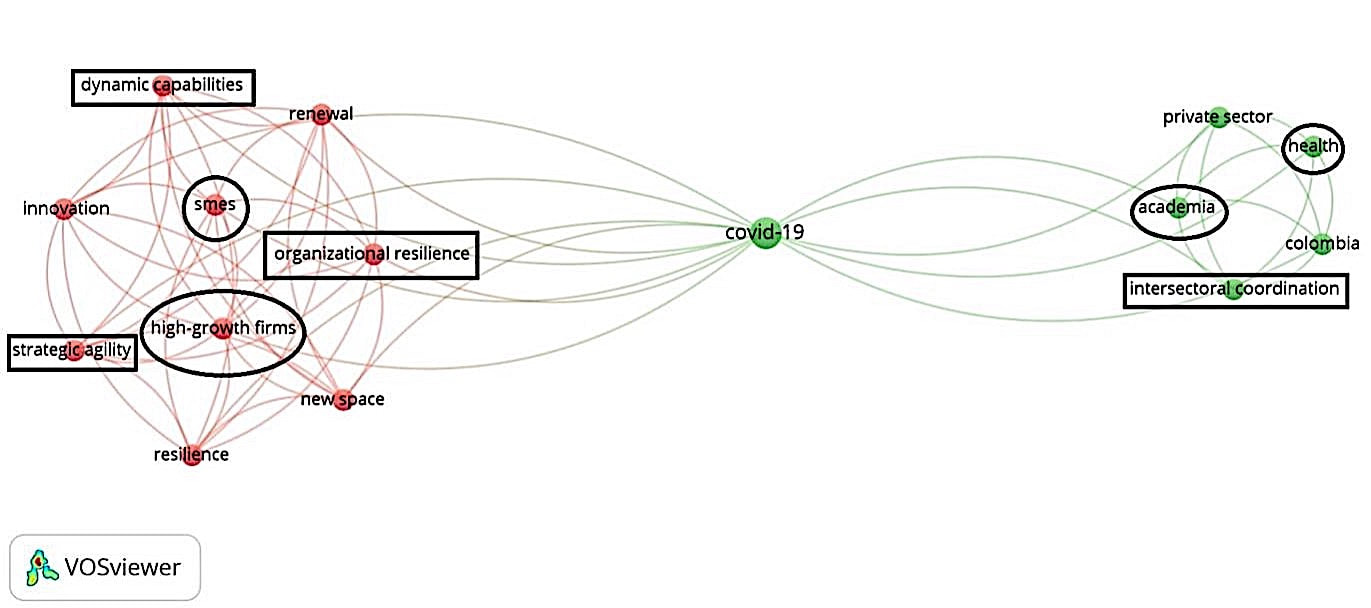 Figure: Impact of COVID-19 on the space industry and vice versa (Adopted with modifications from Palit S et al. - Space Industry and COVID-19: An Insight into Their Shared Relation) Note: Circles/ovals- Represent institutions affected by the COVID pandemic; Rectangles- Represent institutional values affected by the COVID pandemic It can be seen that the pandemic dealt a severe blow to institutions (such as SMEs, academia, the health sector) and their values (such as organisational resilience, etc.). However, as the saying goes, 'every cloud has a silver lining', and such was the case with COVID-19. Areas in which COVID-19 had positive implications include cases where:
Furthermore, astronauts onboard the International Space Station teach us some of the most valuable lessons. These include instances where the world applied containment measures to restrict the spread of pandemics, leading to the limited provision of healthcare resources. Here, the experiences gained with 3D printing during human spaceflights could help the healthcare industry to produce various tools (dental, medical, or surgical) and pharmaceutical products, and the list is endless.
Therefore, given the recent losses that we have suffered, it would be advisable to adopt space-based technologies as quickly as possible to help prevent the long-standing implications of COVID-19. However, this can only be done if we have collective support from government agencies worldwide. |
Welcometo the InnovaSpace Knowledge Station Categories
All
|


 RSS Feed