Authors: Mary Upritchard & Thais RussomanoInnovaSpace Directors & Space Fans! Yet another year has flown by, and we now say goodbye to 2025 and welcome in 2026. Reflecting on the last twelve months in human space exploration, it feels like a year shaped more by consolidation than by any grand spectacle. Crews continued to live and work aboard the International Space Station, commercial astronaut missions became increasingly routine, and long‑planned space programmes quietly adjusted their timelines in response to technical and human realities. Rather than dramatic milestones, 2025 has offered something perhaps more valuable: a year of learning, reassessment, and preparation. Against this backdrop, the year ahead arrives not with grand promises, but with a sense of renewed direction, a year where people, not just missions, come back into sharper focus. Stepping into 2026 seems like a good time to pause and take stock of where human space exploration really is. Not where the flashiest headlines suggest it might be, but where those working within the field know it to be. After years of delays, redesigns, and reality checks, there is a sense that progress is resuming, carefully and deliberately, with a renewed emphasis on the human being at the centre of spaceflight. 2026 may not deliver dramatic firsts or iconic boot‑prints on planetary surfaces, but it should mark a return to forward motion, and in human space exploration, that truly matters. One of the most symbolically important missions of the year will be Artemis II. This mission is not about landing. It is about learning, or perhaps relearning, how to send people safely into deep space. It is safety‑focused and cautious by design, and that caution feels exactly right. While deep space draws attention, low Earth orbit continues to do much of the heavy lifting by laying the research groundwork. The International Space Station remains an extraordinary laboratory for understanding how the human body and mind respond to life in space. Commercial astronaut missions will no longer be a novelty in 2026, but will form part of the regular rhythm of human activity in orbit. China’s human space programme continues to progress at a calm, steady pace. Crewed missions to the Tiangong space station build long‑duration experience, while robotic lunar missions quietly prepare the ground for future human exploration. Different pathways perhaps, but shared human challenges. Robotic missions may lack the drama of crewed flights, but they are essential. Lunar south‑pole exploration, including the search for water ice, is practical preparation for a future human presence beyond Earth. From a personal perspective, 2026 will also mark the very welcome return of the IAA Humans in Space Symposium in Montecatini, Italy. As the only international congress dedicated entirely to humans in space, its focus on physiology, psychology, performance, and wellbeing feels particularly timely. Taken together, 2026 feels like a threshold year. Not exactly a climax, but very much a reset. There is growing recognition that successful exploration is not just about rockets and destinations, but about preparation, evidence, and care for the humans involved. Our one big reflection looking back further? Just imagine where we might be today, in terms of experience and understanding, had so many decades not passed without returning humans to the Moon after the final Apollo mission in 1972. What to Watch in Human Space Exploration in 2026
Mary UpritchardInnovaSpace Admin Director & Space Fan! When most people think about the type of person who will work in space, the image that springs to mind is that of an astronaut in a bulky white suit floating around outside the International Space Station! That is certainly a part of the story, however the exploration of space needs a lot more than just rocket pilots. In fact, some of the astronauts who will launch this week (July 31st 2025* - Crew-11) come from surprising backgrounds. One of them, Zena Cardman, didn’t start out flying planes or building rockets — she studied microbes in mud and explored caves and Antarctic ice looking for life in extreme environments. Another of the astronauts, Kimiya Yui from Japan, started out in the Japanese Air Force and later trained with engineers and scientists before becoming an astronaut. Theirs and other stories like them prove that you don’t have to be a math genius or science whiz to have a future in space! *note: launch delayed to 1st August 2025 due to weather constraints Space Needs Everyone - Below are just a few of the surprising roles that play a huge part in exploring the cosmos:
How to get started then?
The webinar, organised by InnovaSpace Director Prof Thais Russomano, was presented by 4 students from the Remote Medicine iBSc program, National Heart & Lung Institute, Imperial College London, and in association with the MVA (Moon Village Association). The focus of the event was on one of the most critical aspects of future lunar habitation: human health. Join the student panel as they explore the unique environment of the Moon, the history of its human exploration from NASA Apollo Mission first steps to future Artemis plans, its potential impact on human physical health and mental well-being, Moon research and Earth-based space analogues, and research limitations and gaps in the knowledge. Congratulations to the presenters - Manvi Bhatt, Nareh Ghazarians, Diya Raj Yajaman, & Elvyn Vijayanathan - and good luck with your future careers. Author: Darrion K McNultyUndergrad student, Aerospace Engineering on the Pre-Medical track, Univ of Oklahoma; Project Manager, NASA's L'SPACE Mission Concept Academy; Future Pilot-Physician & Astronaut A review of original article - Building Robots For “Zero Mass” Space Exploration - written by Jacek Krywko (8th Feb 2024), published on the ARS Technica website The idea of exploring space without lugging around tons of gear sounds like something straight out of a sci-fi flick, but guess what? It might just be closer than we think! This article dives into the wild world of "Zero Mass" space exploration, where scientists are ditching the heavy payloads and instead relying on super-intelligent robots and nifty building materials. Think about it: sending stuff into space costs a fortune. Like a serious fortune. But what if we could cut down on all that weight and send up a bunch of self-replicating robots armed with super cool building blocks? That's the dream these NASA and Stanford folks are chasing. They're talking about using materials that can rebuild themselves, which is mind-blowing. It's like something out of a sci-fi novel from way back in the day. And get this - they're not just dreaming about it. They've built a bunch of these little building blocks called "voxels" and tested them out. These things are crazy vital but weigh next to nothing. So you can pack a bunch of them in your backpack and build whatever you need on the fly - like a shelter, a bridge, or even a boat! And here's the kicker - they're not just building stuff on their own. They've got these robots doing all the heavy lifting. These robots are like little construction workers, piecing together structures autonomously. It's like watching a futuristic version of a construction site! But it's not all just for show. They're thinking about using this tech to build towers on the Moon! Yeah, you heard that right. Towers on the freaking Moon! It's all about maximizing sunlight and getting the best communication signals. And with this tech, they reckon they can pull it off.
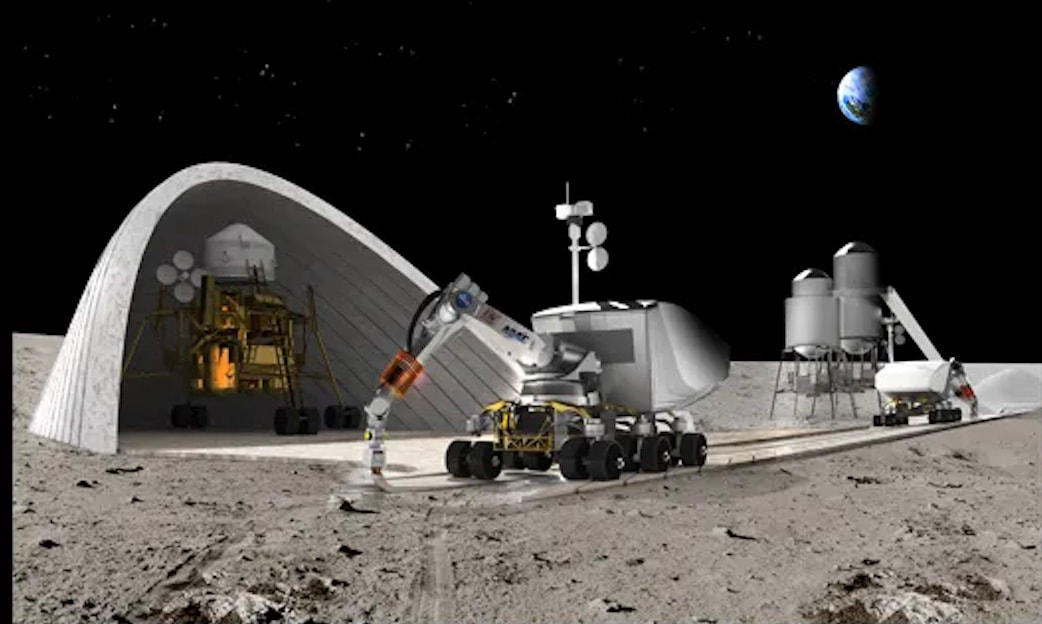
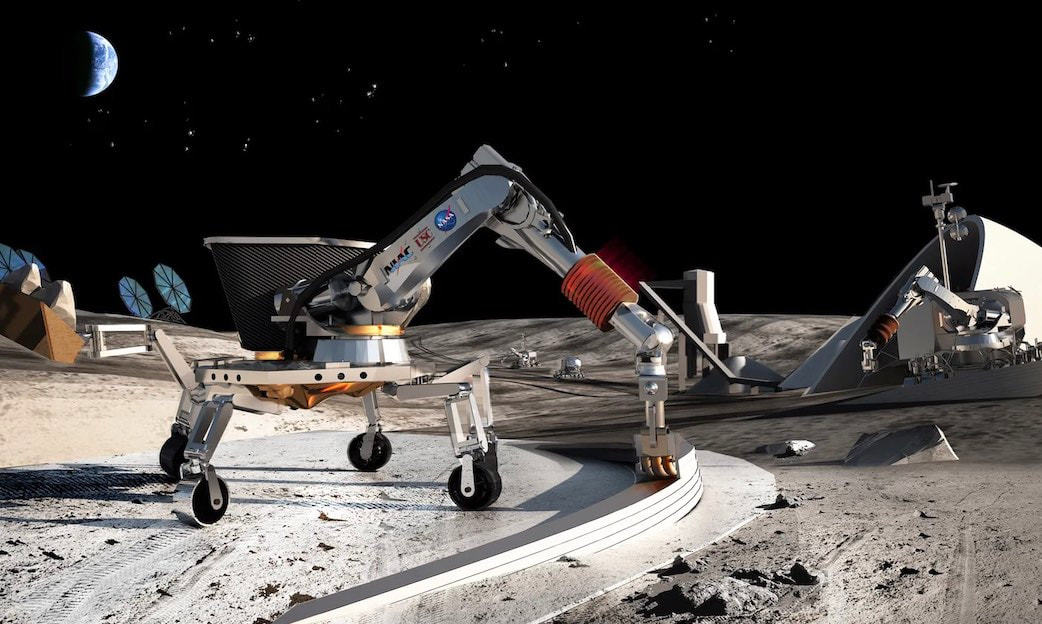
So, while we might not be hopping on spaceships and jetting off to distant planets just yet, it seems like we're getting closer every day. Who knows, maybe one day we'll all be living in moon towers built by robots. Hey, a guy can dream, right? |
Welcometo the InnovaSpace Knowledge Station Categories
All
|